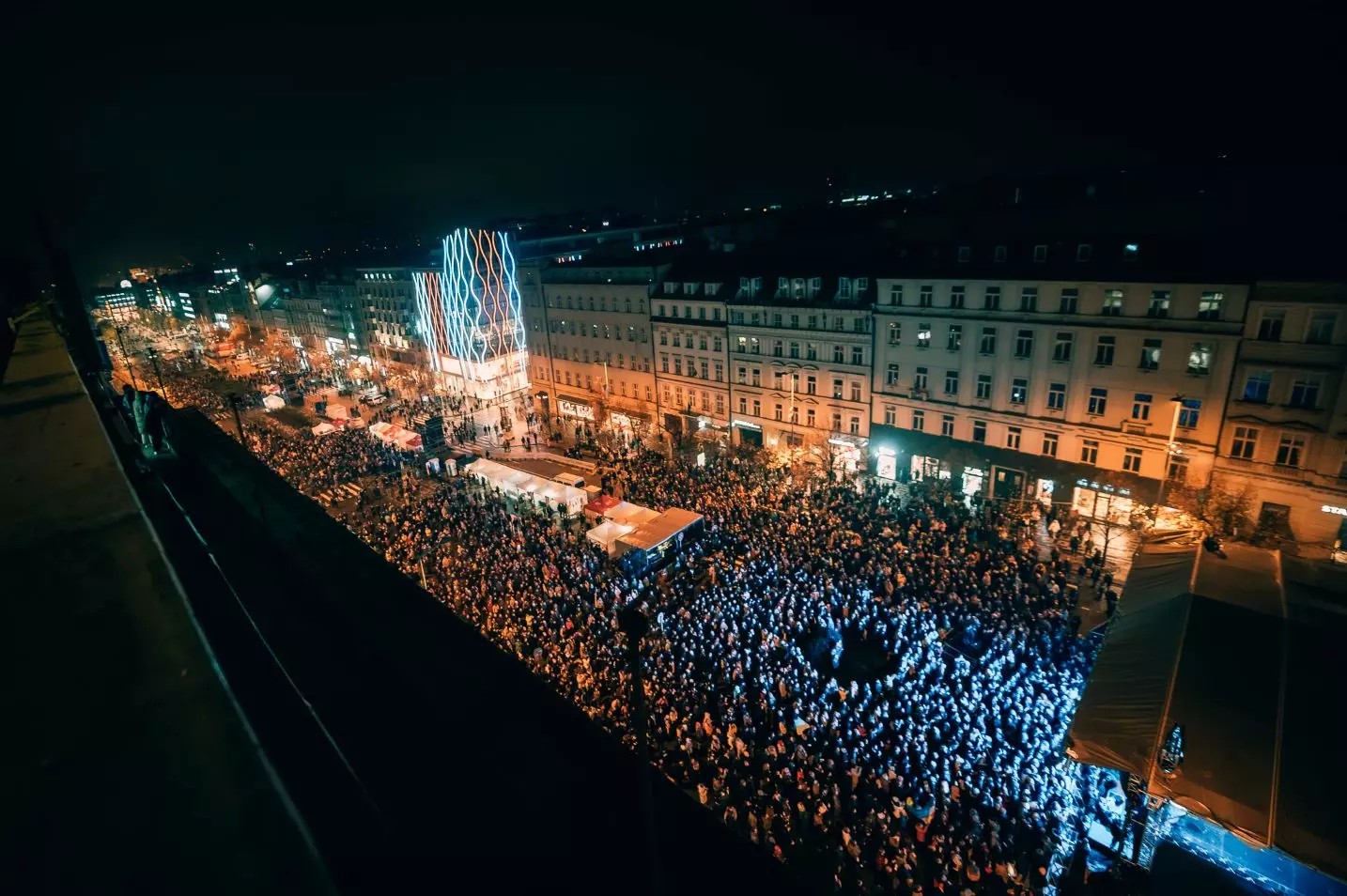
Albertov – Where it all started
A peaceful student movement marking the 50th anniversary of the closing of Czech universities during the Nazi occupation during World War II turned into a demonstration calling for changes in the establishment. The students set off to the centre of Prague and called for free elections and the end of one-party government. Albertov is a student and university district near Vyšehrad, where you can find the faculties of several of Prague’s universities as well as a small university botanical garden.
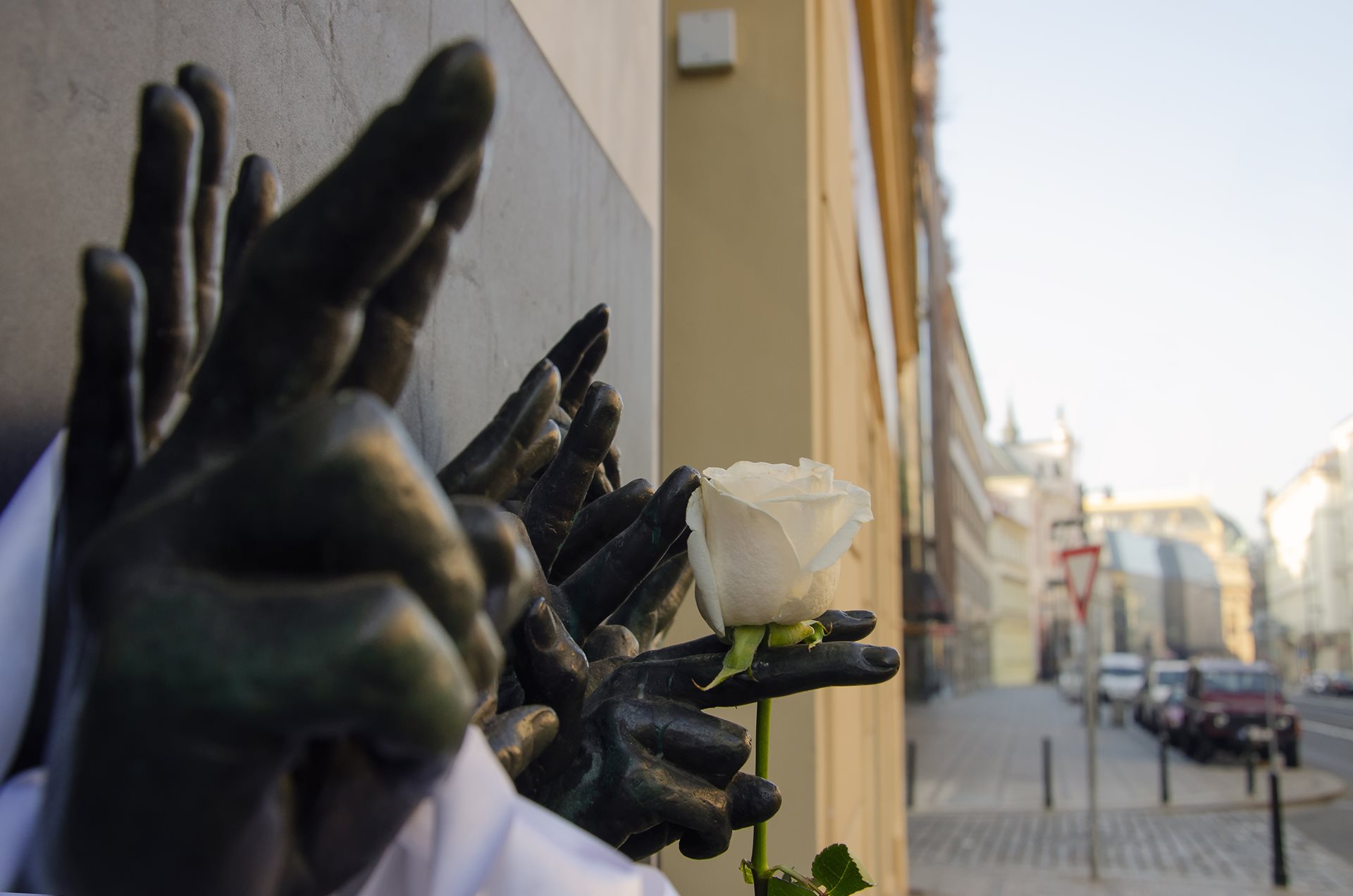
Národní třída – The point collision with police
Národní třída is in the centre of Prague and it ends with the Legion Bridge across the Vltava River. The National Theatre is there, as well as one of Prague’s oldest cafés, Café Louvre. And on 17 November 1989, this very boulevard witnessed brutal police action against the peaceful student demonstration that arrived there from Albertov. Round-ups and violence by the special police forces caused a resistance movement to form throughout society and the discontent with the government system bubbled up to the surface. In the middle of Národní třída, on the wall of Kaňka Palace, you can find a memorial to the events of the 17th of November, where hundreds of people and state representatives bring flowers and light candles every year.
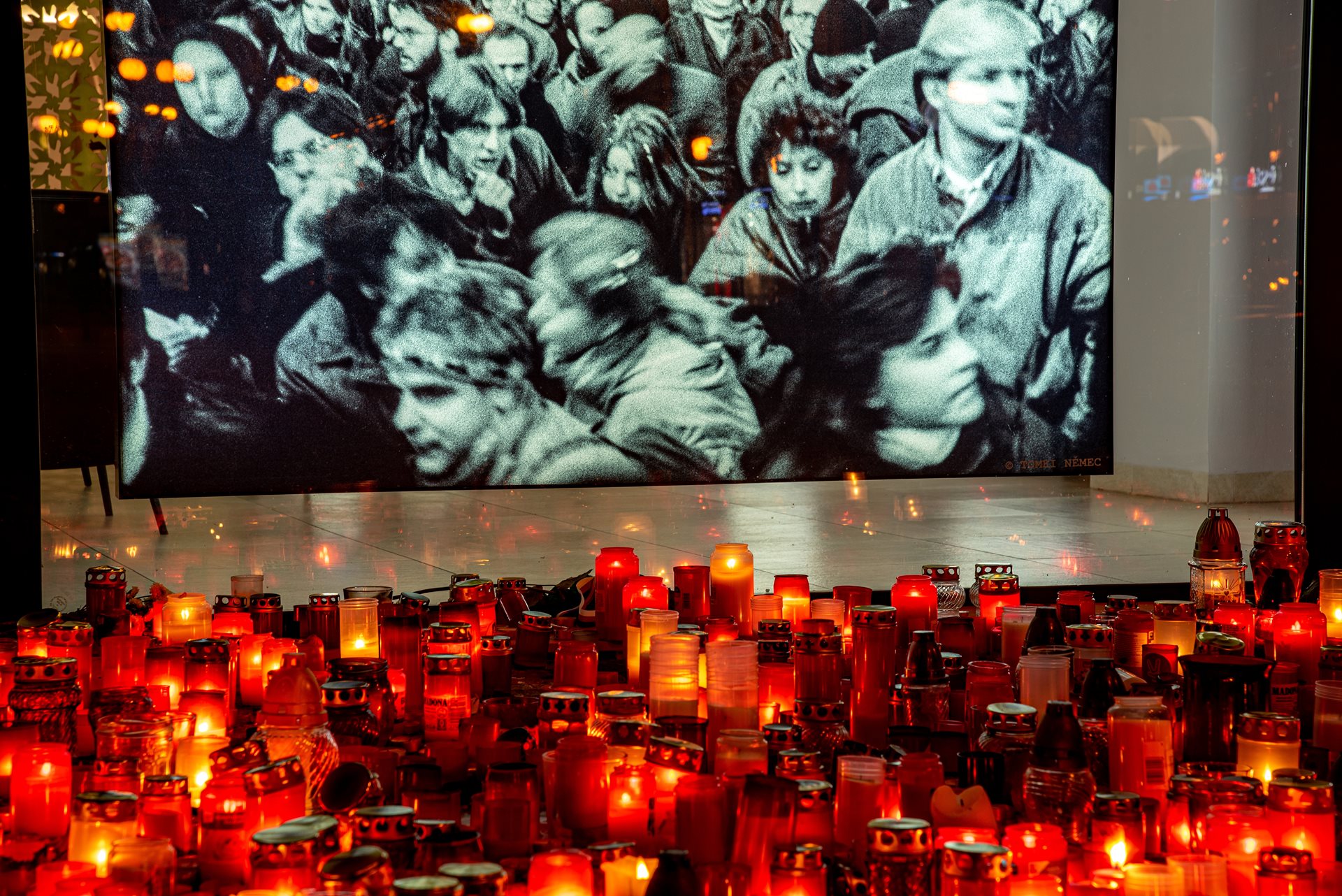
Wenceslas Square – The centre of all demonstrations
Every Czech knows Wenceslas Square – the locals call it Václavák. This large square was once a horse market, but it is now a symbolic place. Organisers of all types of demonstrations want to fill up Wenceslas Square from the National Museum to the Můstek metro station. But why? In October 1918, the independent Czechoslovak Republic was declared under the statue of St Wenceslas on a horse located at the top of the square. Demonstrations against the Nazi occupation in 1939 and against the invasion by the Warsaw Pact armies in August 1968 took place there. It is where Jan Palach burned himself to death in 1969 in protest against the Soviet occupation. And it is where thousands upon thousands of people came at the end of November 1989 to show their discontent and desire for freedom. Václav Havel, later the president of Czechoslovakia and the newly created Czech Republic, and many other important people spoke to these masses from the balcony of Melantrich Palace in November and December of 1989.
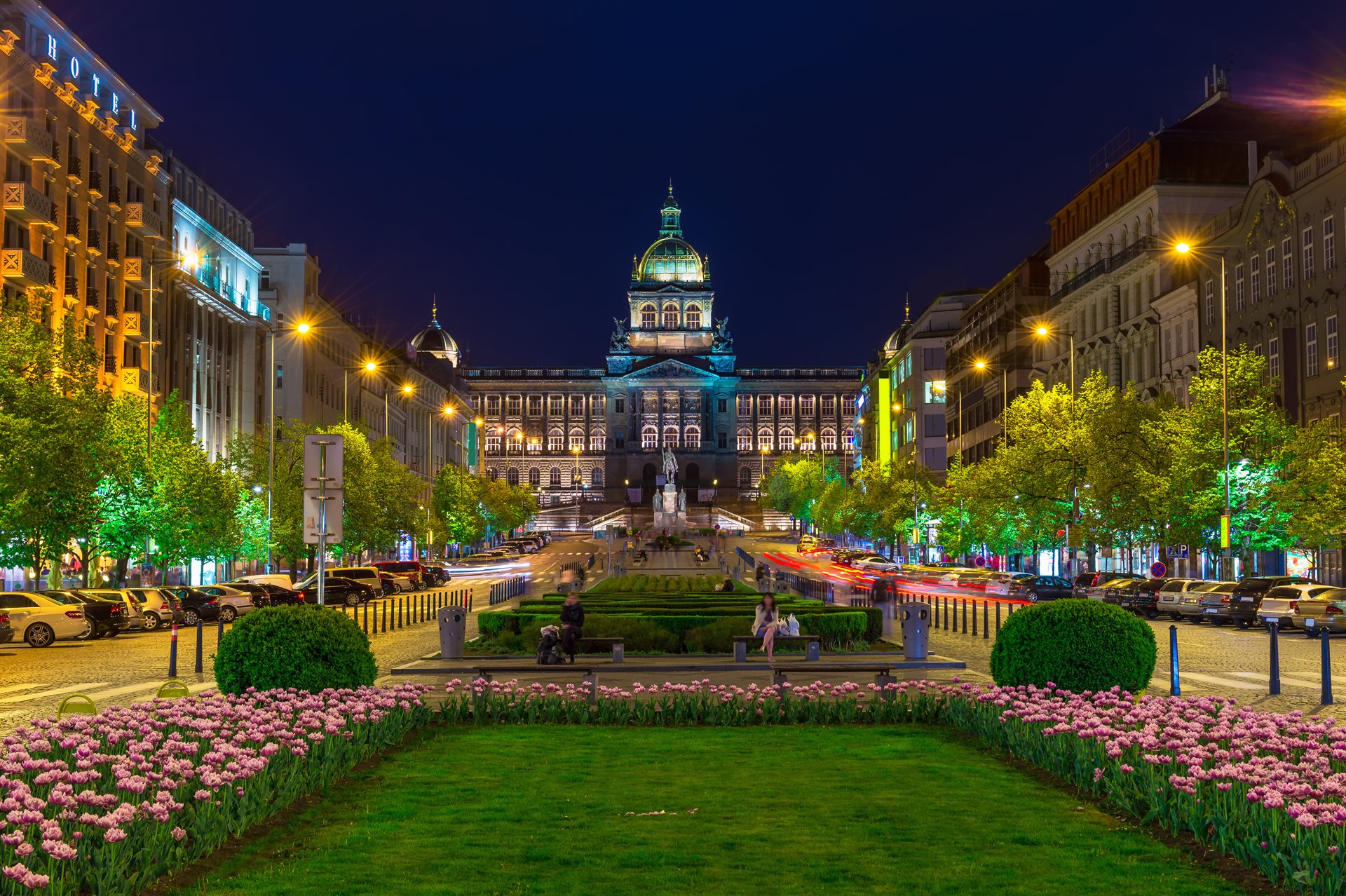
Letná – When squares are too small
However, the largest demonstration of November 1989 did not take a place in any square – they are too small. The largest demonstration took place at Letná, a large plain above Prague near the Sparta Prague football stadium and the National Technical and Agricultural Museums. On the rainy and cold weekend of 25 and 26 November 1989, more than one million people from all over the country met there to show that their demand for free elections was not just an invention of a couple of students in Prague, but the opinion of the majority of the country.
Prague Castle – The residence of presidents
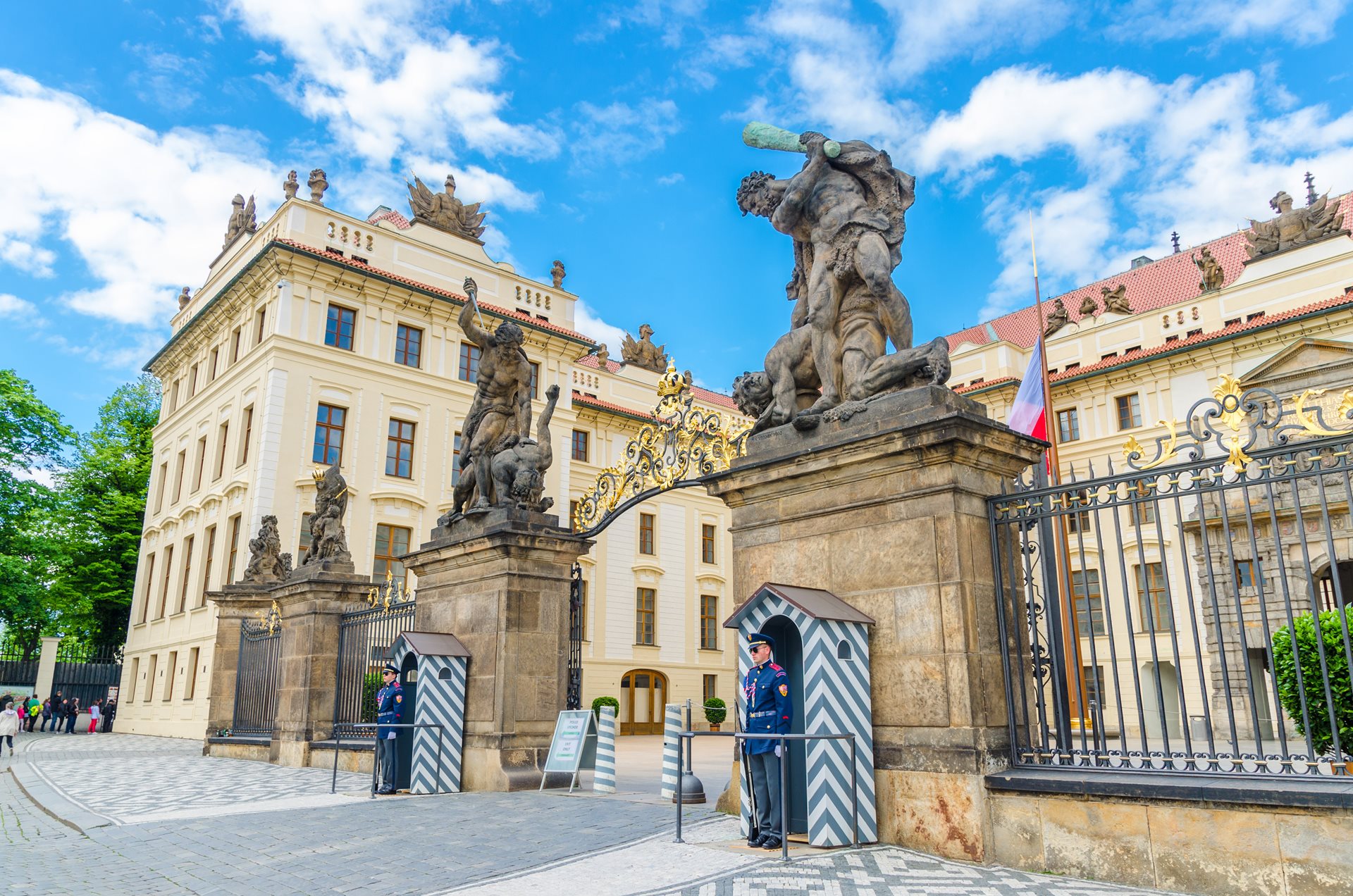
The process of transforming from Communist totalitarianism to a democratic society would not have been complete if Václav Havel, a dissident and writer, had not been elected the president at the end of December 1989. He came from a formerly wealthy family from Prague and he had spent some time in Communist prisons throughout his life. He was the leader of the reform movement and he was elected president with one consent by the members of the parliament. The election took place in the gothic Vladislavský Hall at the Prague Castle. All strikes, preparations for strike actions, and public demonstrations were called off. The society started to calm down after more than one month of upheaval and the rebirth of democracy began. The first free elections took place in June 1990.
Remembering the Velvet Revolution Today
Every year on 17 November Prague commemorates the Velvet Revolution of 1989. The celebrations takes place across the city, with the main programme centred on Národní třída, where Korzo Národní brings the streets to life with concerts, theatre performances, exhibitions, discussions and interactive activities celebrating freedom and democracy. Other highlights include the Concert for the Future on Wenceslas Square, the Concert for Freedom and Democracy at the Rudolfinum and the colourful satirical procession Sametové posvícení. It is a unique opportunity to experience one of the most important dates in Czech history and discover the values that shaped modern Czechia.