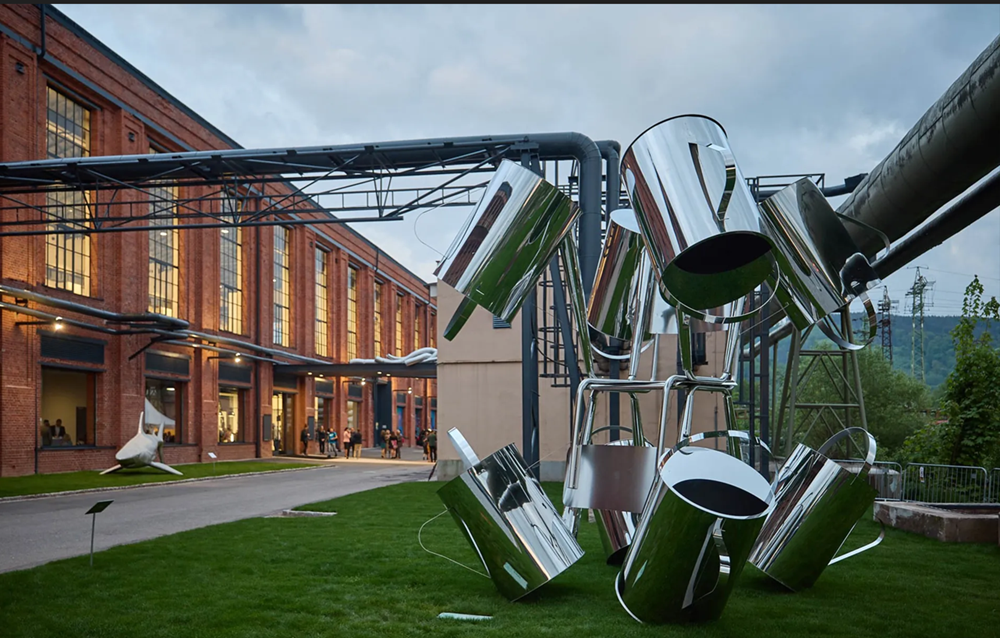
Set out to explore industrial architecture that bridges the past and the present – from Prague’s factories through Ostrava’s industrial estates to the unique technical monuments in Brno.
Prague’s industrial heritage given a new lease of life
Herget’s Brickworks on the banks of the Vltava in Malá Strana is now best known as a stylish restaurant with views of Charles Bridge and Čertovka, nicknamed Prague’s Venice. However, the history of this place is far more industrial: in the second half of the 18th century, bricks were produced here. Today, you can enjoy culinary delights here and combine them with a stroll through the historic centre of Prague. In addition to the restaurant, the site of the former brickworks also houses the Franz Kafka Museum, which explores the life and work of the famous Prague writer.

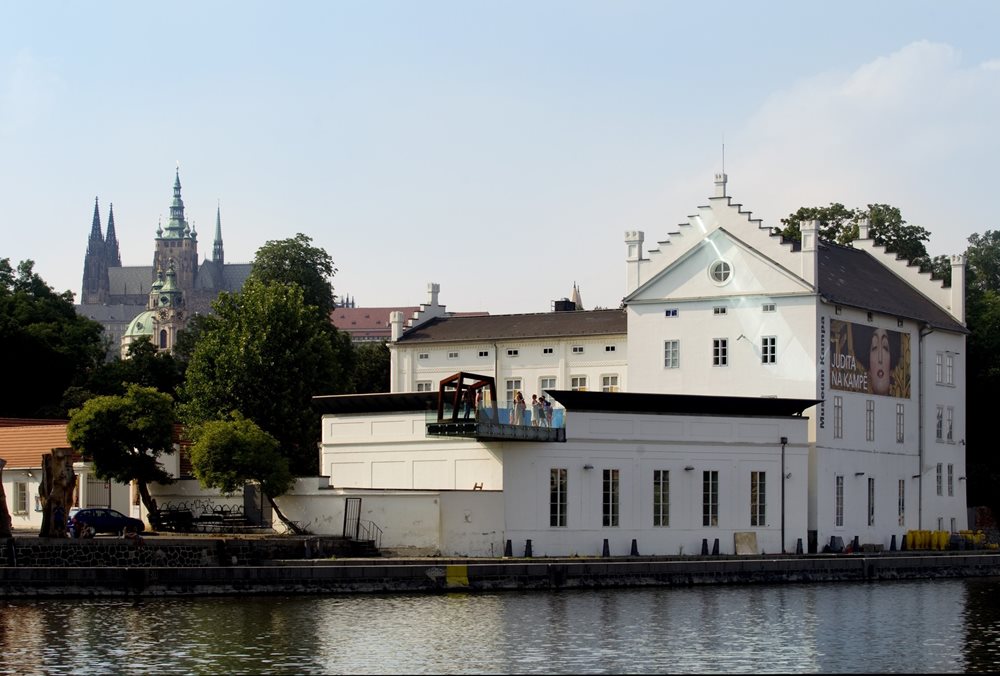
The building of the former Sova Mills on Kampa Island has a history dating back to the Middle Ages. Following a fire in 1896 and subsequent renovations, it was given a new lease of life as the Kampa Museum. Today, you’ll find collections of modern Central European art here, including works by the pioneer of abstract painting, František Kupka, and the sculptor Otto Gutfreund. This historic industrial building thus serves as an attractive venue for engaging with modern art.
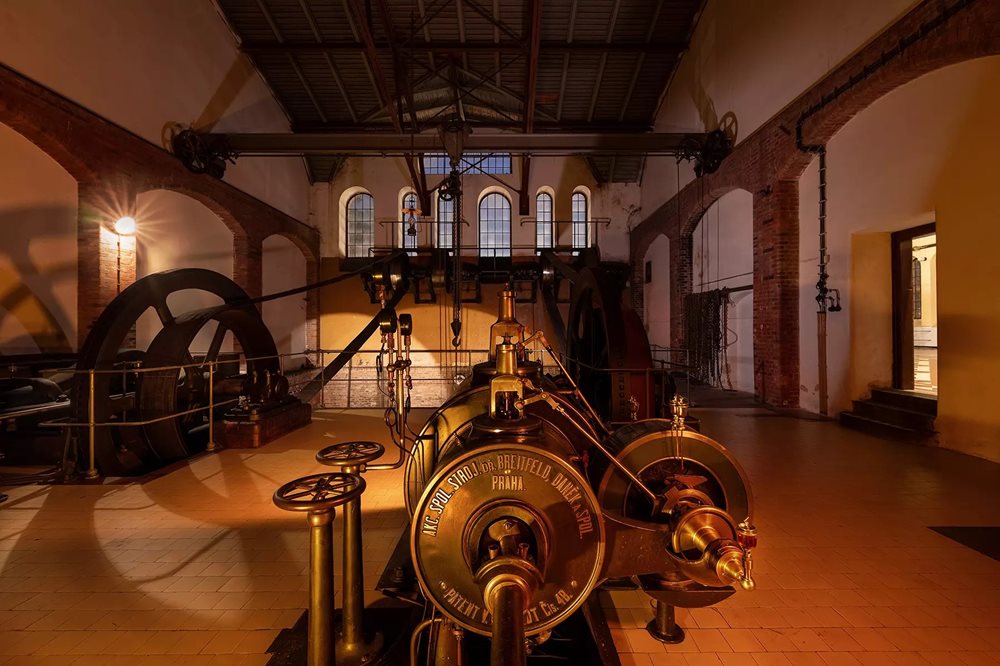
The Old Wastewater Treatment Plant in Bubeneč is one of Prague’s most interesting technical monuments. It was built between 1901 and 1906 and remained in operation until 1967. On a guided tour, you can explore the original technical equipment, the steam engine room, the boiler room and other preserved parts of the historic plant. Special underground experience programmes and climbs up the chimney are also interesting options. After the tour, you can stop off at the local café.
In Prague’s Holešovice district lies La Fabrika, a cultural venue created by the conversion of industrial buildings. Today it hosts theatre performances, concerts, exhibitions, film screenings, performances and acrobatic shows. The industrial past remains part of the venue’s character here, creating a distinctive backdrop for contemporary culture.
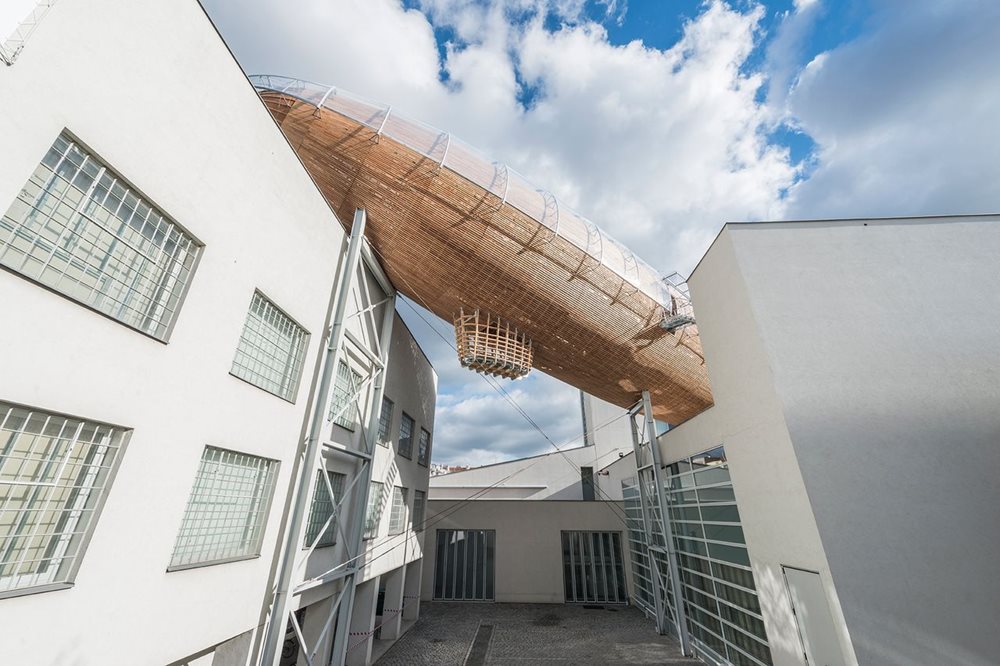
Another significant transformation has been undergone by the site of the DOX Centre for Contemporary Art, which was established in a former factory complex. Alongside exhibitions of contemporary art and a varied cultural programme, the Gulliver airship also attracts attention – an original wooden structure on the roof of the building, which serves as a venue for literary and cultural events.
Industrial Wonders Outside of Prague
The Lower Vítkovice Area represents an extraordinary collection of industrial architecture. Iron production flourished on the site of the Vítkovice Ironworks from 1830 until 1998. Today, you can explore three interconnected parts of the former operation – the Hlubina coal mine, the coking plant and the blast furnace. The former industrial buildings have been transformed into a popular tourist destination, offering guided tours, technical exhibitions and views from the almost 80-metre-high Bolt Tower, built above the blast furnace. Also worth a visit is the multi-purpose Gong auditorium, created by converting a former gasometer and now hosting concerts, conferences and other cultural events.

Another example of the transformation of industrial heritage is PLATO Ostrava, a municipal gallery of contemporary art housed in the listed former municipal abattoir dating from the turn of the 19th and 20th centuries. The renovation has preserved the character of the historic building whilst adapting it to contemporary cultural needs. The gallery offers exhibitions by Czech and international artists, educational programmes, film screenings and other events.
The Plzeň Region: from industrial creativity to architectural heritage
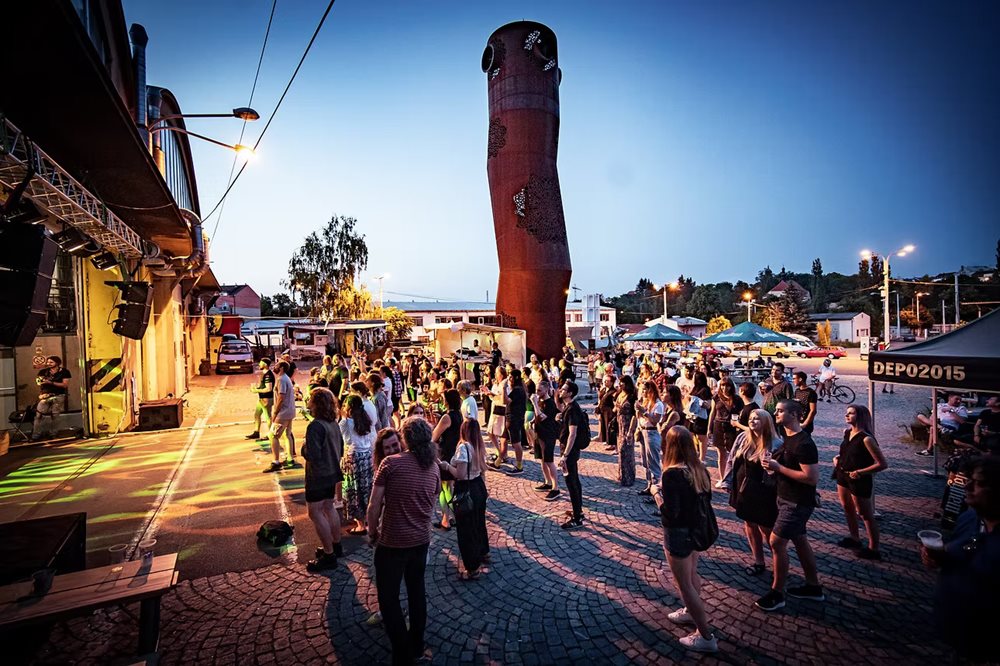
Plzeň in West Bohemia also offers an interesting example of the new use of industrial heritage. The former depot of the city’s public transport company has been transformed into the DEPO2015 complex, which serves as a hub for culture, creativity and socialising.
Visitors can explore exhibitions, take part in workshops, attend a concert or theatre performance, and relax in the café. The complex also offers spaces for creative enterprises, studios and other projects. The original industrial setting blends naturally with contemporary city life here.
Not far from Plzeň, on the site of the former Cistercian monastery in Plasy, you will find the Centre for Building Heritage of the National Technical Museum. Housed in sensitively restored historic buildings, including a former brewery, it introduces visitors to the development of architecture and traditional crafts. The exhibitions showcase building materials, historic structures and medieval construction machinery. Plasy is therefore an interesting destination for anyone wishing to explore the Czech Republic’s technical and architectural heritage at first hand.
Pardubice: mills brought back to life
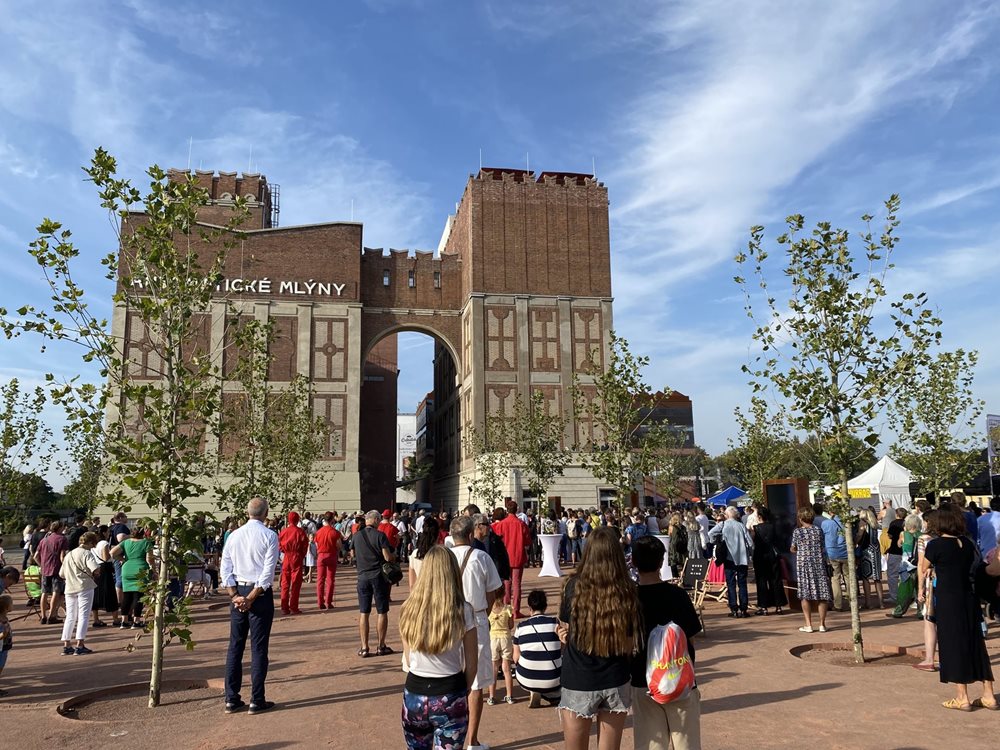
The Automatic Mills in Pardubice are among the city’s most significant monuments of modern architecture. This monumental complex on the banks of the River Chrudimka was designed by the architect Josef Gočár for the Winternitz brothers. The mills were built at the beginning of the 20th century and were used for flour production for over a hundred years. Operations ceased in 2013, but their story continued with a major transformation into a modern cultural and educational quarter.
Today, it is home to the Gočár Gallery, the Pardubice City Gallery (GAMPA) and the SFÉRA educational centre, where visitors can try their hand at science, technology and crafts. The complex also includes a former grain silo housing an information centre and a viewing terrace. The Automatic Mills thus bring together architecture, contemporary art, education and public space, and have become a new hub of cultural life in Pardubice.
Brno: underground cathedrals of water
At first glance, they may not look like a traditional industrial monument, yet the Water Tanks on Žlutý kopec in Brno are among the most impressive engineering structures in the Czech Republic. The historic waterworks complex consists of three underground reservoirs that were used to supply the city with water. The oldest brick reservoir dates from 1874, another was built in 1894, and the third, made of reinforced concrete, was completed in 1917.
The vast spaces with brick vaults, rows of pillars and monumental ceilings are reminiscent of underground cathedrals. The water towers were taken out of service in 1997 and, after being opened to the public, have become one of Brno’s most remarkable engineering monuments.

Český Krumlov: a new lease of life for the historic brewery
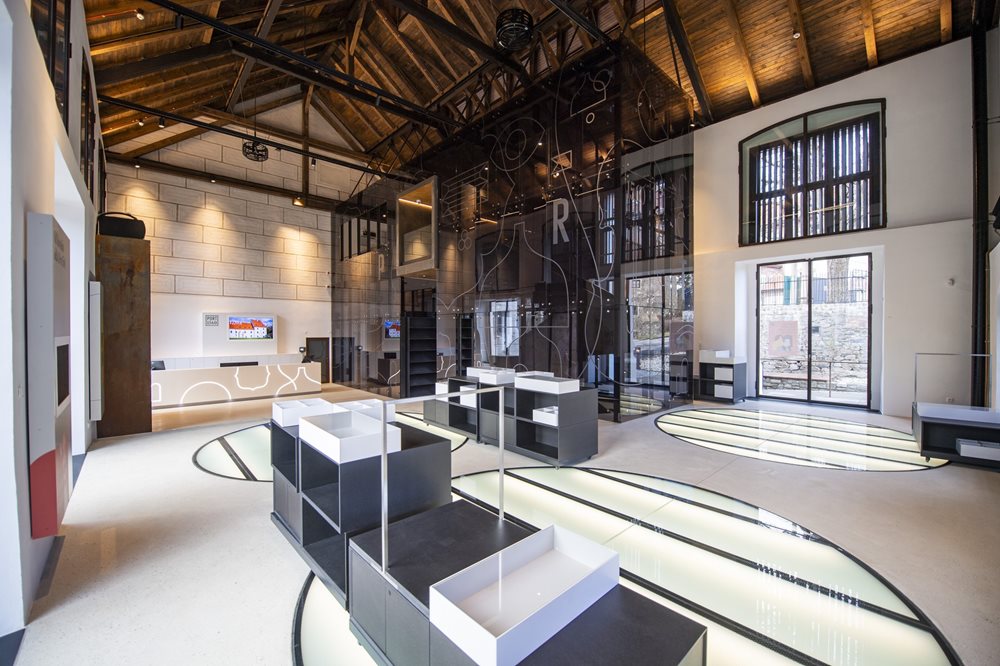
Český Krumlov is best known for its historic centre, castle and picturesque streets. However, Port 1560, a cultural and social centre on the site of the former Schwarzenberg brewery, is also well worth a visit. The name refers to the year 1560, when beer brewing began in the outer bailey of Český Krumlov. Today, the historic site offers exhibition spaces, interactive displays, workshops and cultural events. In the former brewhouse, visitors can learn about traditional beer production, whilst other parts of the site showcase the history of everyday life and contemporary art. There is also a brewery garden, cafés and other places to relax.
Trutnov: monumental art in a former power station
In Trutnov, you’ll find the EPo1 Gallery, which breathes new life into an industrial heritage site with a history dating back to 1914. The original power station served industrial operations, and its massive structures, high ceilings and preserved technical features now form an impressive setting for contemporary art.
The gallery focuses primarily on monumental sculptures, large-scale installations and projects created specifically for the space. Works that would often not fit into conventional exhibition halls are given ample space here and can really come into their own. The complex also features cultural and educational programmes and a café.