


KATEŘINA TUČKOVÁ: Brno and the places behind extraordinary stories
Born in Brno, Czech novelist Kateřina Tučková won the prestigious Italian Premio Libro d’Europa for her novel Žítkovské bohyně.
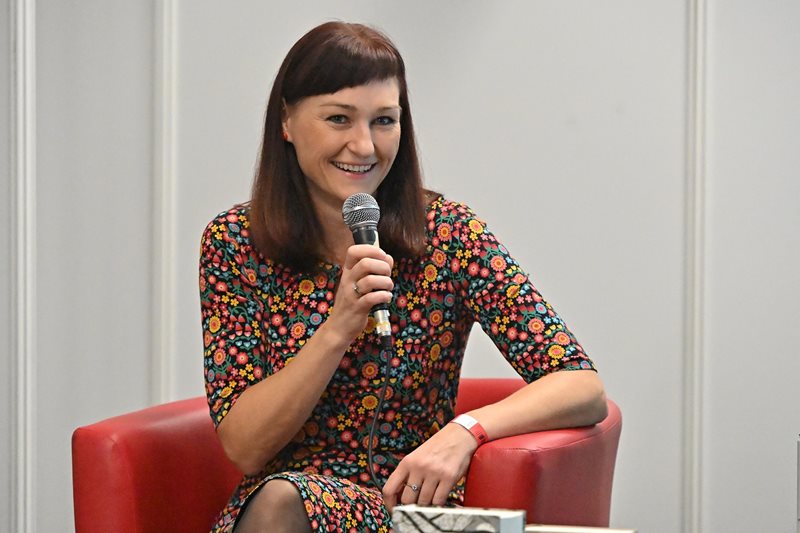
Moravia and the lives of people caught up in momentous historical events lie at the heart of her writing. Place is never incidental in her novels. Vyhnání Gerty Schnirch is rooted in Brno and the violent expulsion of the city’s German inhabitants in May 1945. Žítkovské bohyně takes readers to the Kopanice area of the White Carpathians, where the mountains have shaped local life for centuries.
Bílá Voda was inspired by the village of the same name in the Rychleby Mountains, home to a convent where Czech nuns were held in internment. Tučková returns to these places time and again. She fell in love with the distinctive atmosphere of the White Carpathians, where she feels the stories of the region’s wise women still linger. The beauty of the Rychleby Mountains draws her back, as does the sense of being “at the edge of the world”. As an art historian, she is also drawn to architecture and the stories a place holds. Mariánské Lázně and Liberec have both captured her imagination. When she needs a break from city life, she heads for Vysočina or Czechia’s borderlands.
Her recommendations for exploring Czechia:
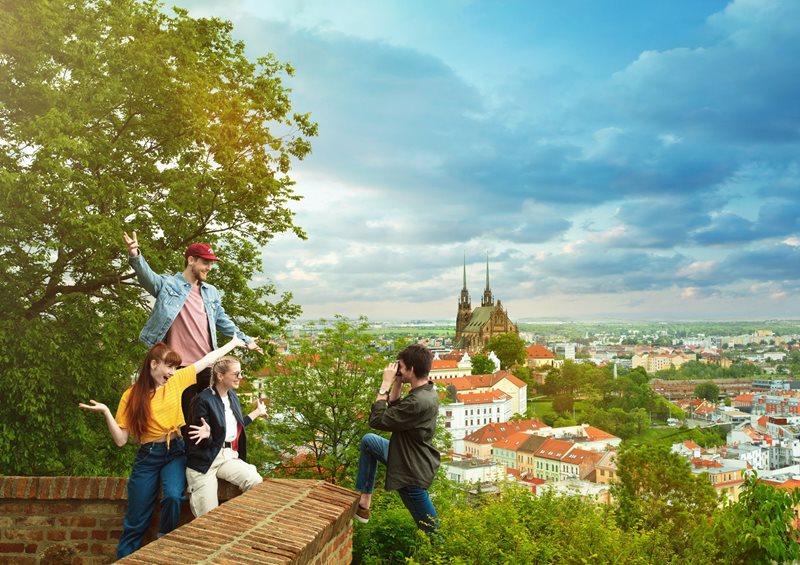
Brno: Known as the Moravian Manchester, the city is a major centre of Functionalist architecture, with a youthful energy and a thriving food scene. It also hosts some of Czechia’s loveliest Christmas markets.
White Carpathians: On the Czech–Slovak border in south-eastern Moravia, this region is known for its beautiful scenery, orchid meadows and mysterious tales.
Rychleby Mountains: A peaceful, lesser-known mountain region near the Polish border, with deep forests to explore.
Mariánské Lázně: A UNESCO-listed spa town of elegant colonnades, whose celebrated visitors have included Goethe, Chopin and Mark Twain.
Liberec: A city with a rich Czech–German history, distinguished by its Neo-Renaissance town hall and nearby Ještěd. It is also a gateway to the local glassmaking region and the fascinating Crystal Valley.
Vysočina: A rolling, wooded landscape dotted with beautiful towns such as Telč and Žďár nad Sázavou, both home to UNESCO-listed monuments.
MICHAL AJVAZ: Discover Prague’s mysteries and hidden corners
Born in Prague, where he still lives, Michal Ajvaz has won numerous literary awards, including France’s Prix Utopiales Européen.
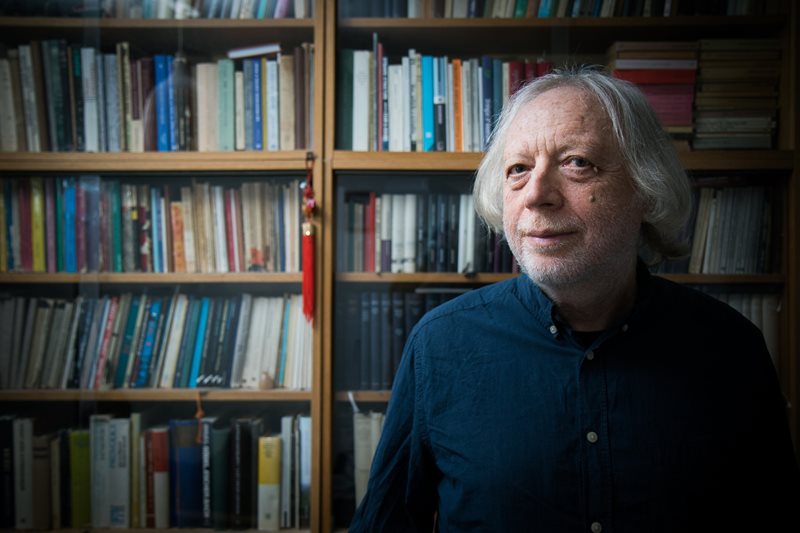
His stories range across cities around the world, yet Prague holds a special place in his imagination. Whenever he sets a story in Czechia, this is the city he returns to. It is far more than a backdrop: its familiar streets, tucked-away corners and atmosphere lend his writing a dimension all their own.
For readers keen to step into the world of his books, Prague is a natural destination. In Druhé město, the real city merges with a mysterious “other” Prague, taking readers to Petřín Hill, the Lesser Town, St Nicholas Church, the Klementinum and Old Town Square. Prázdné ulice reveals a less familiar Prague, from its outskirts and railway stations to its cafés and villas. These out-of-the-way corners and outer neighbourhoods are also where Ajvaz likes to walk in his spare time.
His recommendations for exploring Czechia:
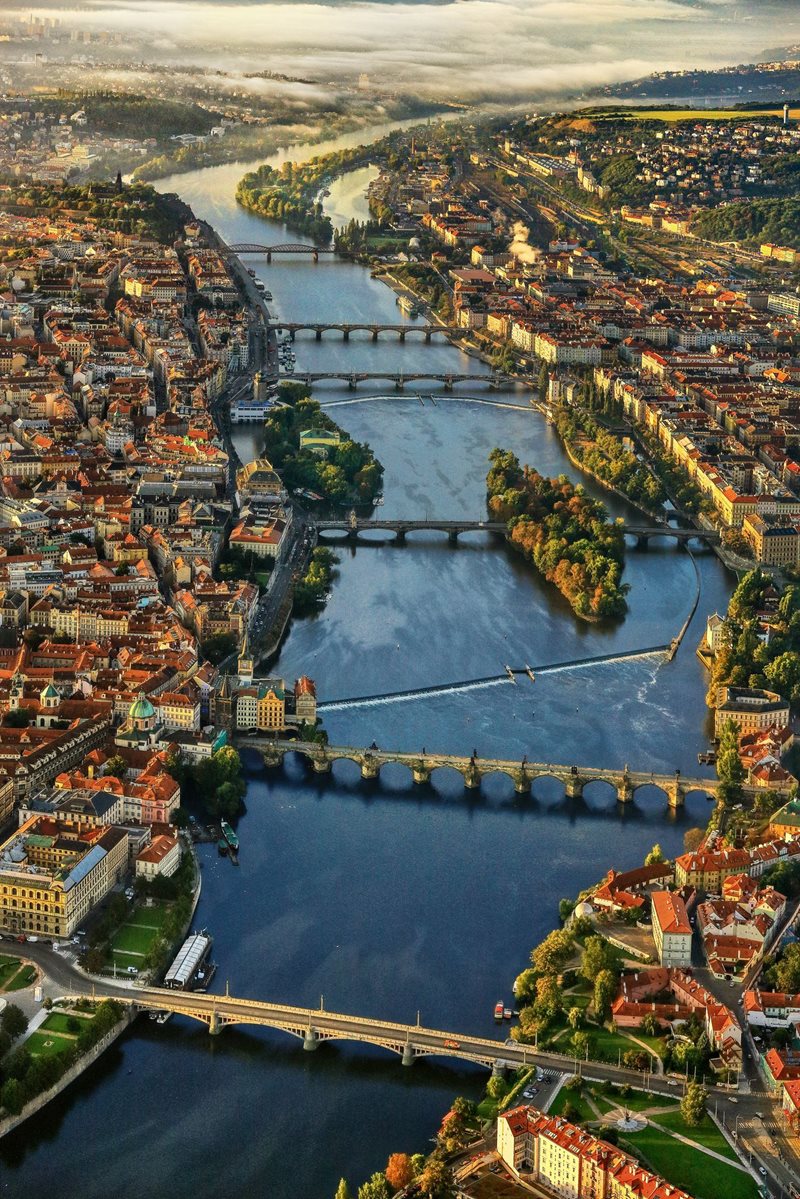
Prague: From the centre to the outskirts, this is where reality and fantasy intertwine in Ajvaz’s books.
Brno: Striking modern architecture meets a lively café culture and arts scene. Highlights include Villa Tugendhat, Špilberk Castle and the city’s remarkable underground water reservoirs.
Hradec Králové: One of Czechia’s foremost cities for modern architecture.
ALENA MORNŠTAJNOVÁ: Nature and wide-open views in Moravian Wallachia
Born in Valašské Meziříčí in eastern Moravia, Alena Mornštajnová is one of Czechia’s most widely read authors.
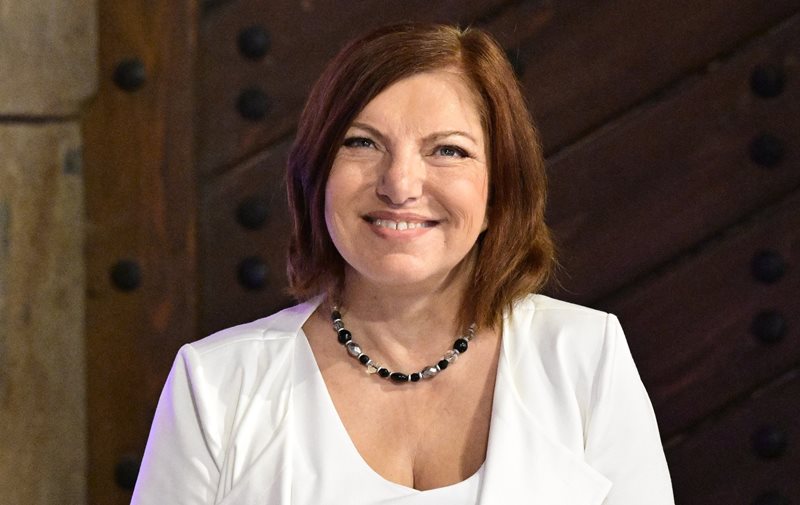
Although her novels often explore major historical themes, their atmosphere owes much to the places in which they unfold. This is especially true of Hana, set in her hometown of Valašské Meziříčí. The houses around the square, the surrounding streets and, above all, the River Bečva help bring the story to life. With its abundant nature and sweeping views, hilly Moravian Wallachia is a place she returns to both on the page and in person.
For anyone wishing to explore the world of her books, Valašské Meziříčí makes a fitting starting point.
Mornštajnová’s affection for the Czech landscape extends well beyond her writing. Readings and meetings with readers take her all over the country, and she jokes that she may have visited every Czech town by now. Yet it is places tied to childhood memories that draw her most strongly: alongside Moravian Wallachia, Prague is among them.
Her recommendations for exploring Czechia:
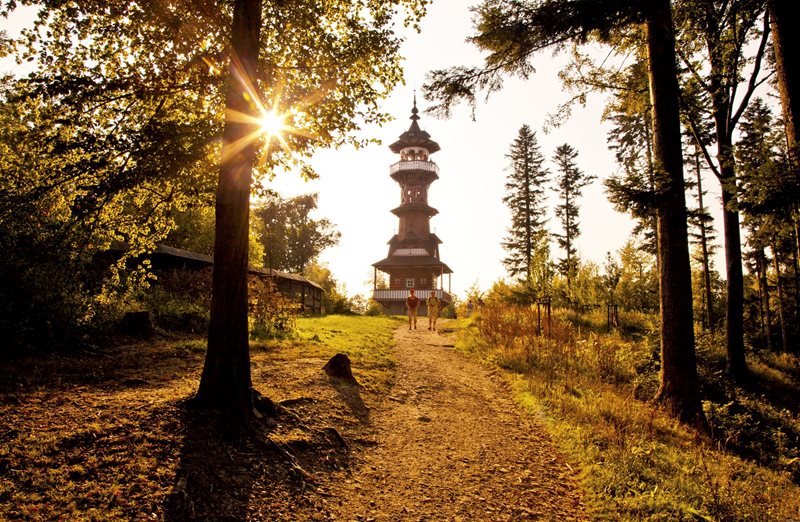
Moravian Wallachia and Valašské Meziříčí: A landscape of hills, forests and far-reaching views. Nearby, the open-air museum in Rožnov pod Radhoštěm is well worth a visit.
Prague: The heart of Czechia, home to Prague Castle, Charles Bridge and the Old Town.
Nová Paka: A town in the foothills of the Krkonoše Mountains, known for its gemstone and fossil deposits. Its Klenotnice museum also celebrates the local tradition of agate working.
South Moravia: A sun-drenched region of vineyards and winemaking traditions. Highlights include the UNESCO-listed Lednice–Valtice Cultural Landscape, the romantic historic centre of Mikulov and the Moravian Karst, with its dramatic Macocha Abyss.
JIŘÍ HÁJÍČEK: Discover the romantic charm of South Bohemia
Jiří Hájíček was born in České Budějovice in South Bohemia.
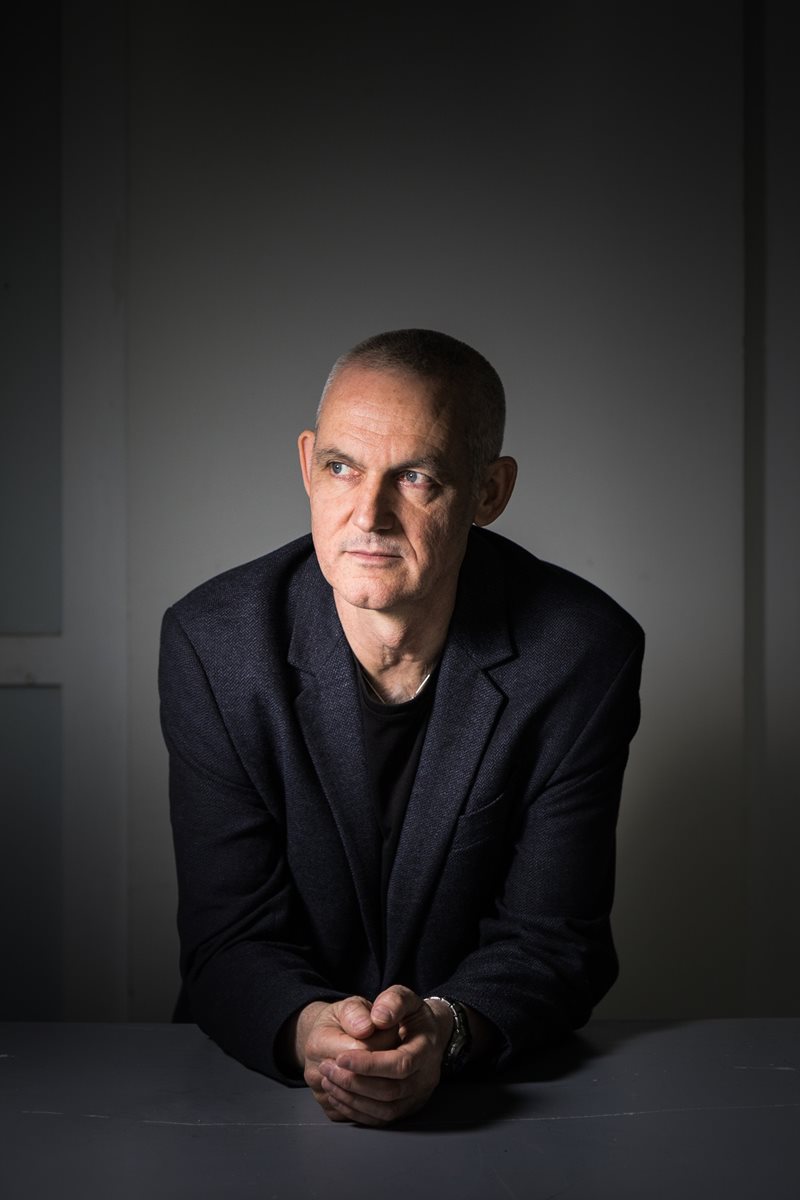
His books are deeply rooted in South Bohemia, a region rich in beautiful scenery and historic sites, where he lives and where his family comes from. He also returns to Český Krumlov and the Vodňanská blata area, drawn by their distinctive atmosphere and rich history. Another thread connecting his work to South Bohemia is moldavite: the search for these green stones and the world of their collectors inspired his novel Zloději zelených koní.
In his spare time, he most enjoys travelling through the Czech countryside. Alongside the landscape, he is drawn to South Bohemia’s Rural Baroque architecture, with its characteristically ornate village-house gables.
His recommendations for exploring Czechia:
South Bohemia: A land of fishponds, forests, historic towns and picturesque villages. Highlights include the centre of Třeboň, Hluboká nad Vltavou Chateau, the Třeboň countryside around Svět Pond, and the distinctive village of Holašovice, with its fine examples of Rural Baroque architecture.
České Budějovice: A historic centre built around one of Czechia’s largest town squares, laid out in a square, with Samson’s Fountain and the Black Tower among its landmarks.
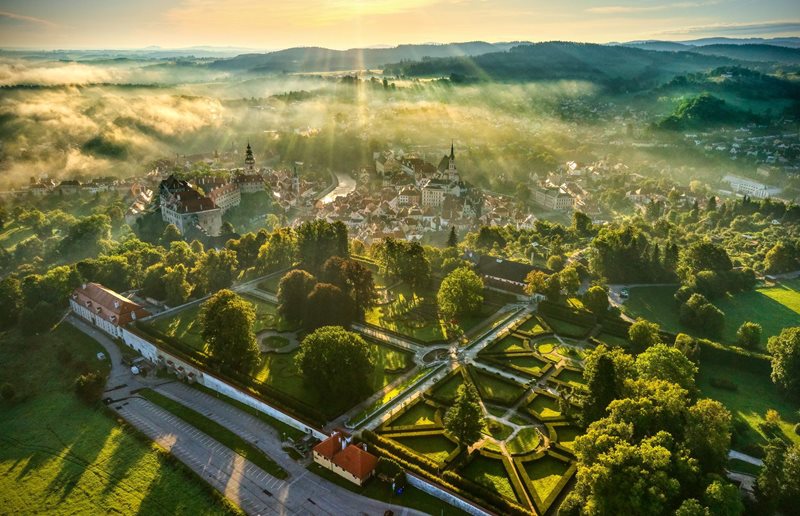
Český Krumlov: One of Czechia’s most picturesque towns, recognised by UNESCO. Its extensive castle complex includes a Baroque theatre and offers views over the winding Vltava.
Along the Vltava: The river rises in the Šumava mountains and shapes much of South Bohemia’s character. Places to explore in the wider region include Černé Lake, Lipno Reservoir, Vyšší Brod Monastery and the scenic river valleys loved by paddlers and walkers alike.
MARKÉTA PILÁTOVÁ: From the Jeseníky Mountains to Kroměříž and Velké Losiny
Born in Kroměříž in Moravia, Markéta Pilátová is a Czech writer, journalist, translator and specialist in Hispanic studies. She spent twelve years living in Argentina and Brazil.
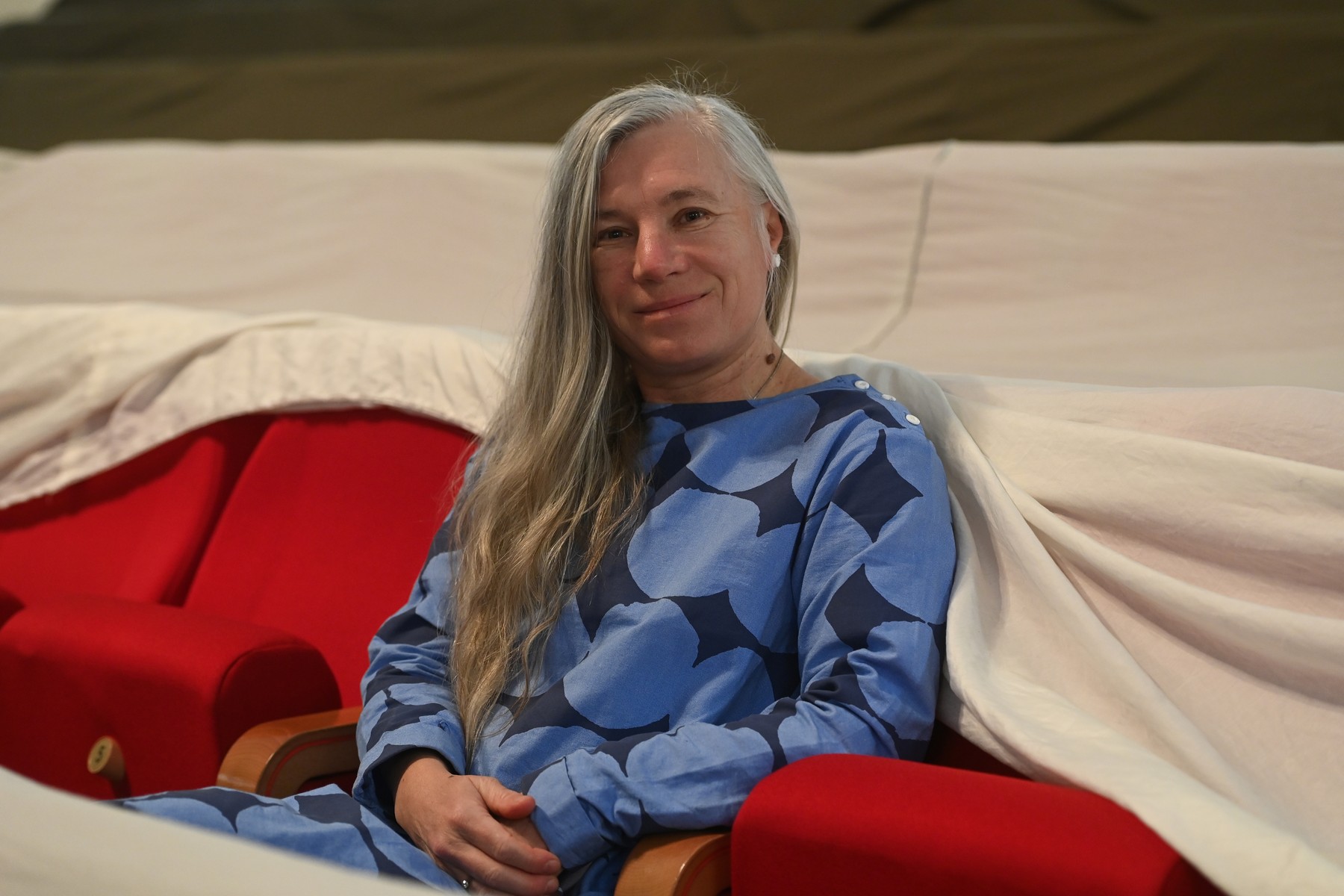
Her Latin American experiences find their way into her writing, as does her deep attachment to the Czech mountains, especially the Jeseníky range. Velké Losiny is a particular source of inspiration, bringing together mountain scenery, history and mystery. The local spa and its intriguing past create an atmosphere she finds ideal for both living and writing.
Her literary map also includes her hometown of Kroměříž, which features in the children’s book Kiko a tajemství papírového motýla. The search for stories has taken her to Litomyšl and Javorník, where Jánský Vrch Chateau and the restored Tančírna dance hall in the Račí Valley caught her imagination. She is equally fond of the Art Nouveau villas and countryside around Šumperk, known as the “lively gateway to the Jeseníky Mountains”.
Her recommendations for exploring Czechia:
Jeseníky Mountains: Deep forests and striking mountain scenery. Praděd is the highest mountain in Moravia and Silesia, while Rejvíz is one of Moravia’s most important peat bogs.
Beskydy Mountains: Scenic ridgelines, forests and traditional timber cottages. Lysá hora, the highest peak, is a favourite hiking destination with far-reaching views. Among the best-known places is Pustevny, home to Dušan Jurkovič’s iconic buildings.
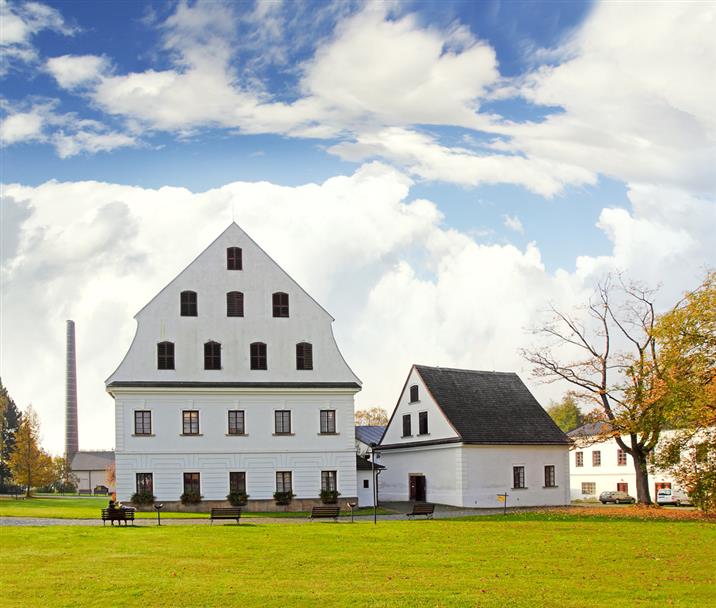
Velké Losiny: A spa town at the foot of the Jeseníky Mountains, famous for its handmade paper mill, one of the oldest still operating in Europe.
Litomyšl: A town with a UNESCO-listed Renaissance chateau. It is also the birthplace of the world-renowned composer Bedřich Smetana and hosts the prestigious Smetana’s Litomyšl music festival each year.
Kroměříž: A town renowned for its magnificent chateau and celebrated Castle Garden and Flower Garden, recognised by UNESCO. The chateau’s picture gallery houses Apollo and Marsyas by Titian.


